May
01
An event where academics and fashion come together!

During a -nine week- media literacy course, Kim Dankoor will teach middle school students how to think critically about the representations of social groups in the media and how they can produce their own media texts (videos, radio segments and articles). Insightful discussions, bold interviews and untold stories characterize the media literacy workshops of KIM.
Middle school students will:
Every monday and wednesday from 4.30 pm to 6.30 pm, Clarkston Community Center Computer Lab. 3701 College Avenue, Clarkston, GA 30021. Phone number: 404 508 1050.

In this video KIM explores people’s views of Hip Hop Culture from a global lens. KIM asked people in Amsterdam to formulate one question for people in Atlanta; the Atlanta participants answered and they each formulated one question for the people in Amsterdam, subsequently, the Amsterdam participants answered their questions. Different aspects of Hip Hop culture are being discussed in the video; the good, the bad and the ugly sides.
Please press the ‘fullscreen button’ for a fullscreen view.
This innovative media-project is part of KIM’s empirical research. KIM is in Atlanta to investigate how the images in Commercial Hip Hop Music Videos influence late adolescents’ concepts of self (physical attractiveness, romantic appeal and behavior). Although the participants in the video didn’t solely ask questions about the images in Hip Hop Culture, a lot of the answers will spark the debate on Hip Hop culture as a powerful global force……..discussion topics for days;)……KIM will use parts of this clip for her talks at Georgia State University ( African-American studies department) and other venues.
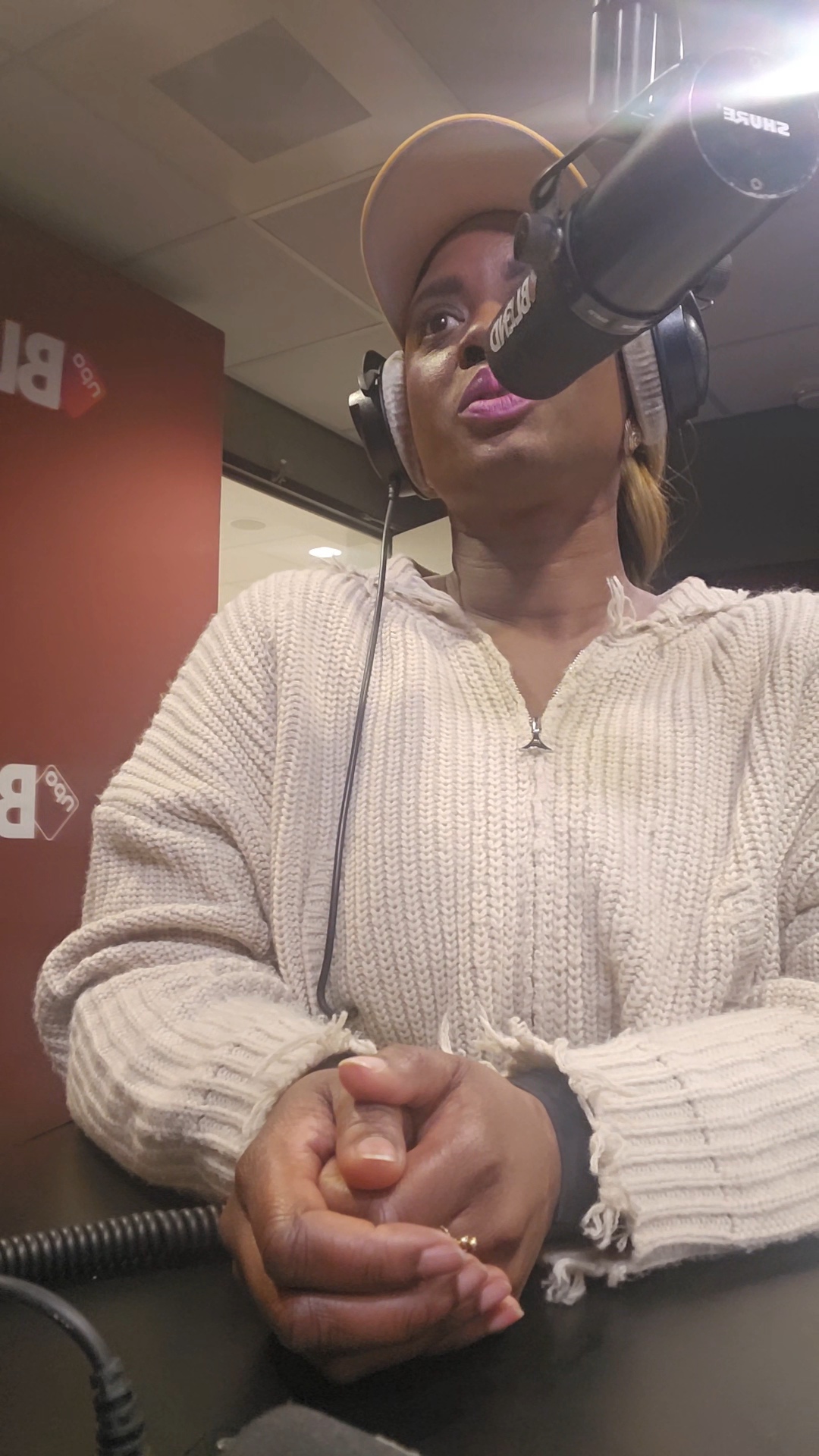
I enjoyed being a guest on the radioshow ‘Real Talk with Rashad Richey’! Missed it? You can listen to the rerun at 10 pm (January, 5th). Go to www.radio.com and search for 1380 WAOK News and Talk, CBS ATLANTA. I talked about my company KIM and my research on how the images in hip hop music videos influence the self – concepts of adolescents in Atlanta.
Today we will discuss Health, Wealth, Business and Prosperity. Your Hostess Siste El will interview Special Guest Kim Dankoor. Kim Dankoor is a Dutch Writer/Journalist on an international mission to inspire Media Producers to consider the potential influence of their works and create awareness among audiences about the social, politial, and cultural impact of media in their lives.
Tune in November 19th 11.30 am! Blogtalkradio show with special guest Kim Dankoor.
De KIM t- shirts – 2014 editie – zijn vanaf deze week verkrijgbaar. Ook dit jaar kan je met een KIM t-shirt er fashionable fresh uitzien terwijl je tegelijkertijd het kritisch reflecteren stimuleert. De t-shirts zijn zwart met daarop in witte tekst de mediawijze quote ‘It’s hard to be what you hardly see’ (zie foto).
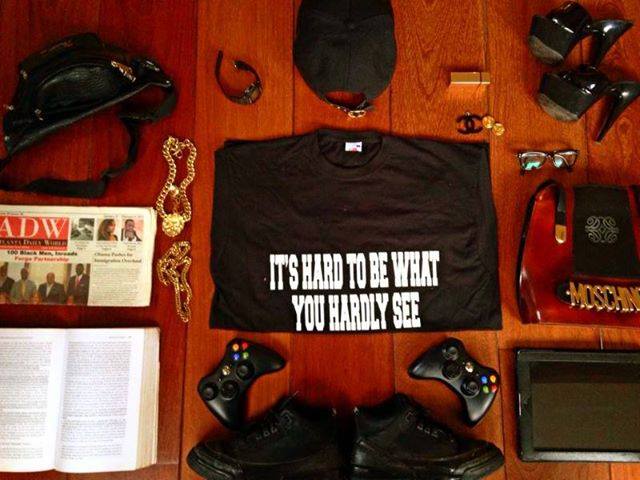
Uitleg quote ‘It’s hard to be what you hardly see‘: Het is lastig om iets te (willen) zijn wat je niet ziet! Beeldvorming in de media over de sleutelkenmerken van jouw identiteit (sekse, gender, etniciteit, religie, klasse en leeftijd) beïnvloeden hoe je als persoon naar jezelf kijkt en welke rol je denkt te spelen in deze maatschappij. KIM wil met deze quote het belang van rolmodellen met diverse achtergronden benadrukken. Opdat de perceptie van wat mogelijk is en wat je kan bereiken, verandert.
De Atlanta Daily World ( één van de meest invloedrijke kranten in de 20ste eeuw in de zuidelijke staten van Amerika) heeft KIM gevraagd een artikel te schrijven over haar masterthesis onderzoek. Vind hier de link naar het artikel Hip-hop music video images have international impact.
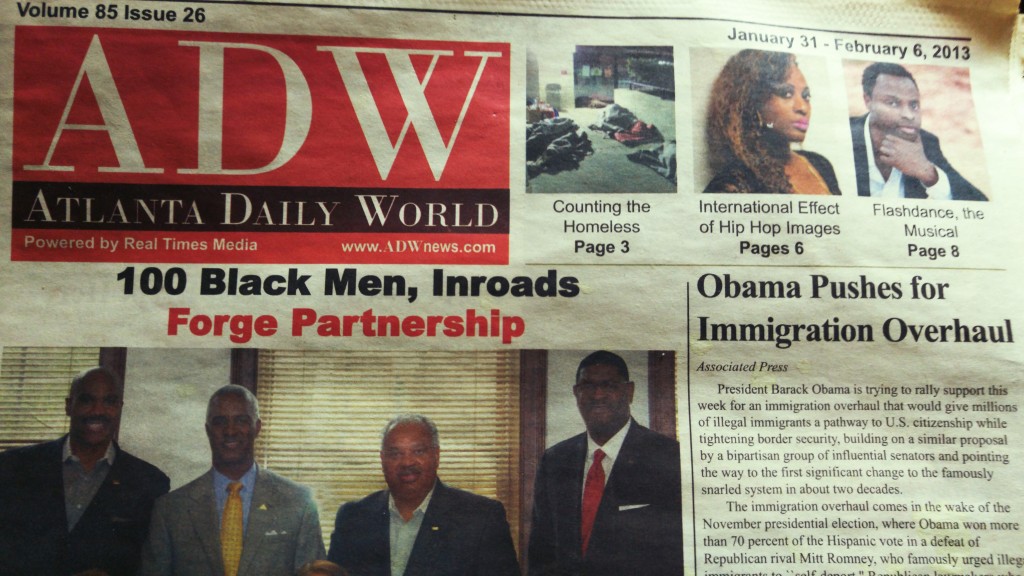
Dit artikel verscheen ook op de website van kennisinstituut Atria.
Michael D Harris is a professor of art history (Emory University), a curator and an artist. Harris has published the book Colored Pictures: Race and Visual Representation (2003) and has contributed to or co-authored a number of publications. In his book Harris discusses the role of visual representation in the construction of race in 19th-century America. According to Harris the visual imagery of black Americans in art and popular culture created for the larger population the stereotypes that are associated with race.
KIM: How did the visual representation of African-Americans in the 19th century affect the race relations in America?
Michael Harris: The visual images of black Americans made ‘the idea’ of race real for Americans. Minstrelsy, for instance, was a black variety performance that people saw on slave plantations in the late 18th century and early 19th century. When white people took that performance and exaggerated certain performance aspects such as skin color, big red lips and overly silly behavior, they made the stereotype that blacks were not suitable for participating in middle class society notable for a larger audience via popular culture. This popular visual image was used to legitimize slavery and to maintain the concept of the Other. But also after the slave period the depictions in the minstrel shows and in publications of political magazines, such as Harpers weekly, were used to preserve the racism and the idea that black people were lesser and not worthy of the rights of citizenship.
Read and Share More»









Recent KIM comments