28
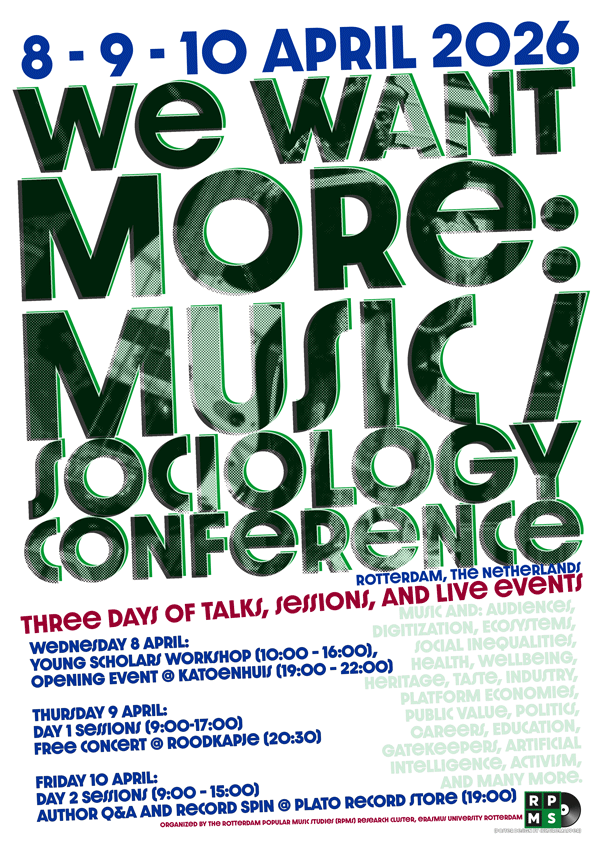
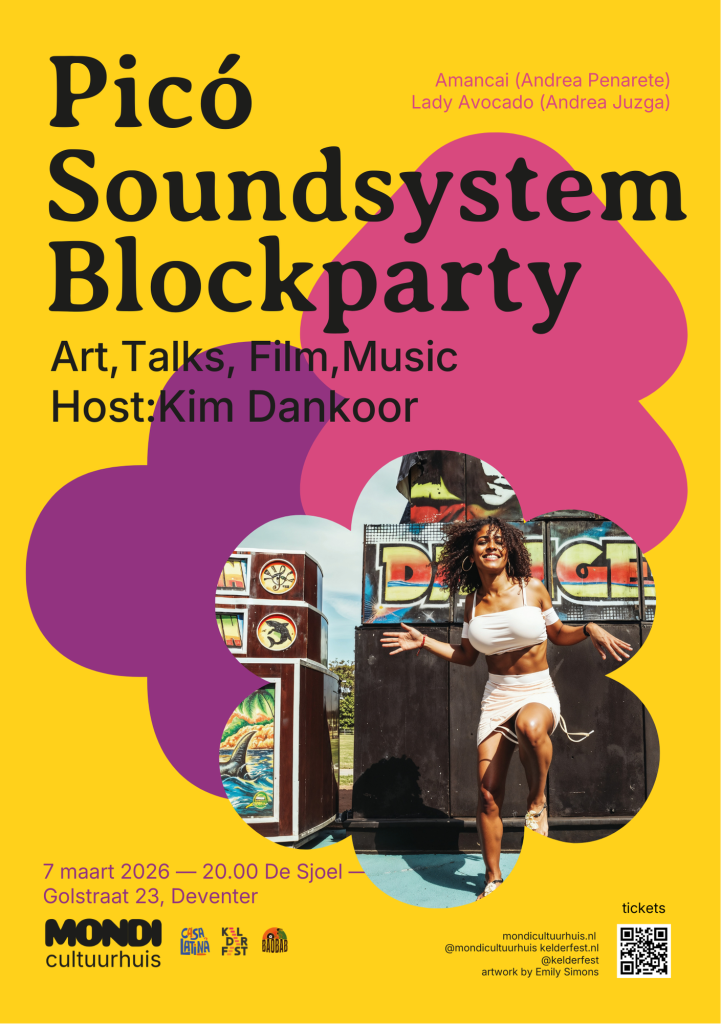
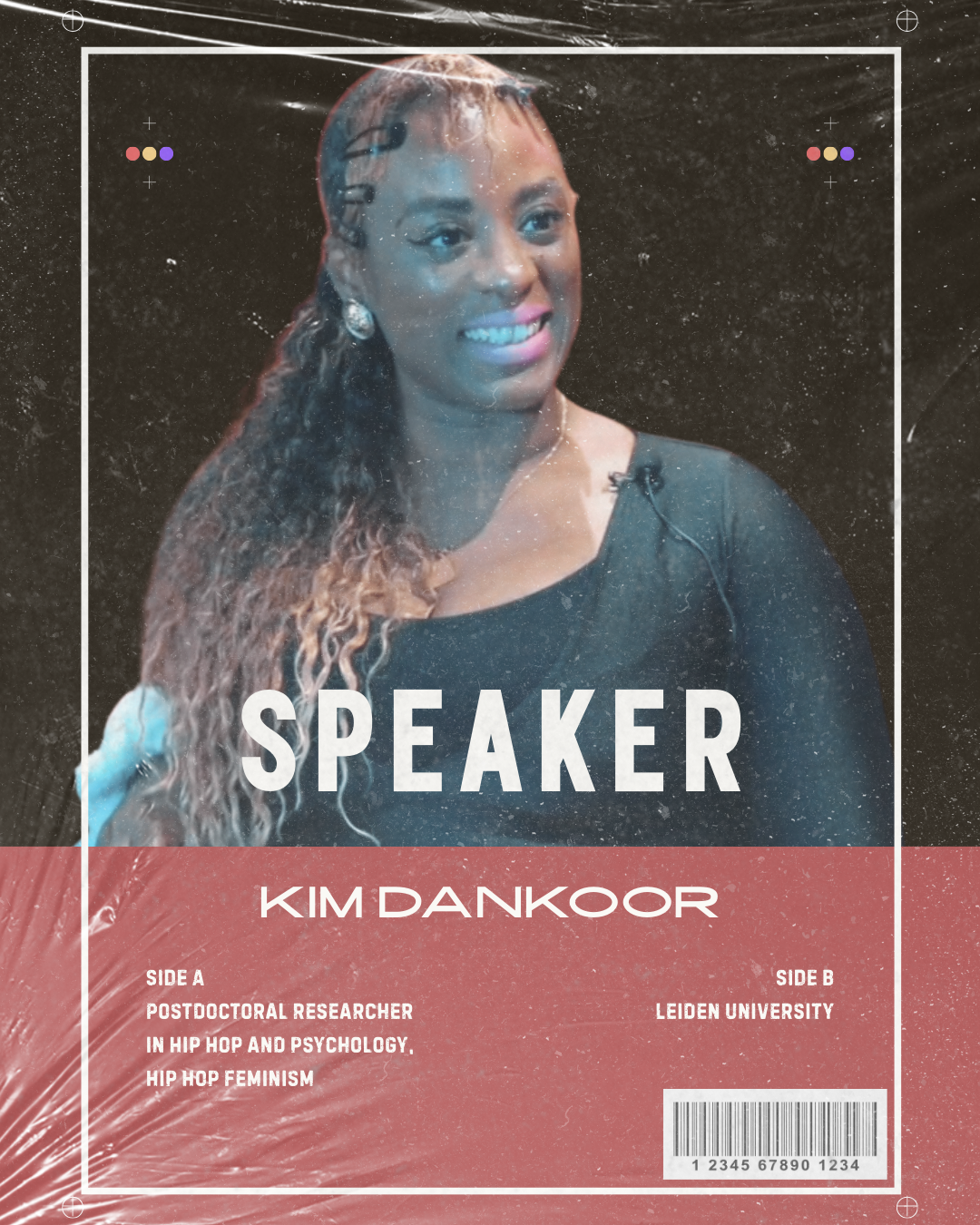
KIM co-curates, co-organizes, and presents at the We Want More: Music/Sociology conference!

Het was maandag 9 maart precies 29 jaar geleden dat de Amerikaanse rapper The Notorious B.I.G. werd vermoord. Zijn dood staat symbool voor een gewelddadige periode in de Amerikaanse hiphop, waarin de rivaliteit tussen de oost- en westkust hoog opliep. Elif Kan blikt samen met hiphopexpert en onderzoeker Kim Dankoor terug op dit conflict.
Luister hier naar het interview.

I’m looking forward to joining the panel for Resistance Radio, a listening session and panel in honour of Black History Month!
Coming from different disciplines, we reflect on songs that speak to resistance, care and possibility in our lives and work. Through deep listening and conversation, we honour resistance as a diasporic legacy that offers tools, knowledge and pathways for navigating and shaping a changing world. Whether you’re a researcher, artist, activist or music lover, we invite you into this space for shared exchange and networking after the event!
Friday, 27 February 17:30-19:30
Held at the @International Institute of Social Studies Kortenaerkade 12, The Hague
Will you join us? Space is limited – register in advance!


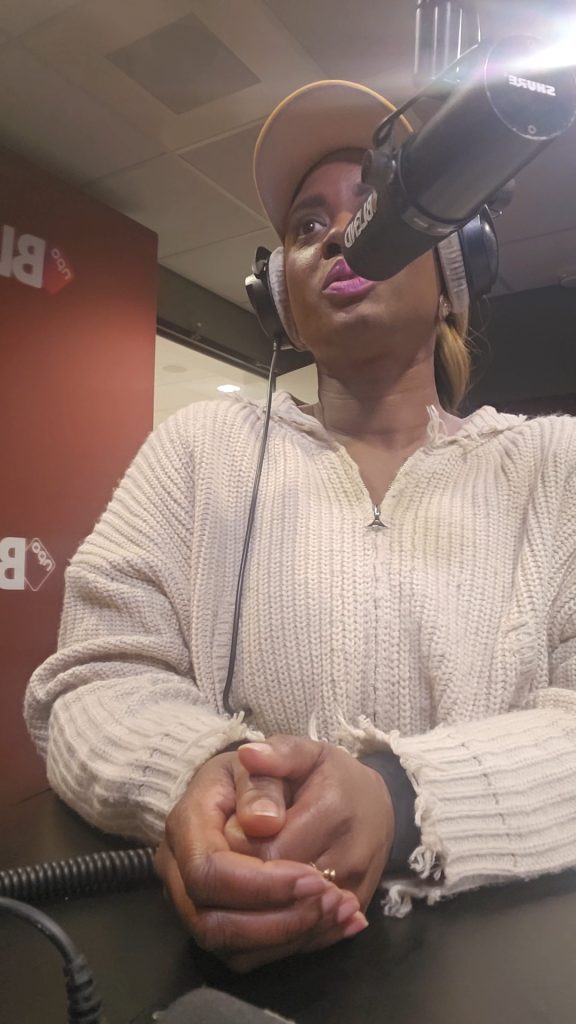
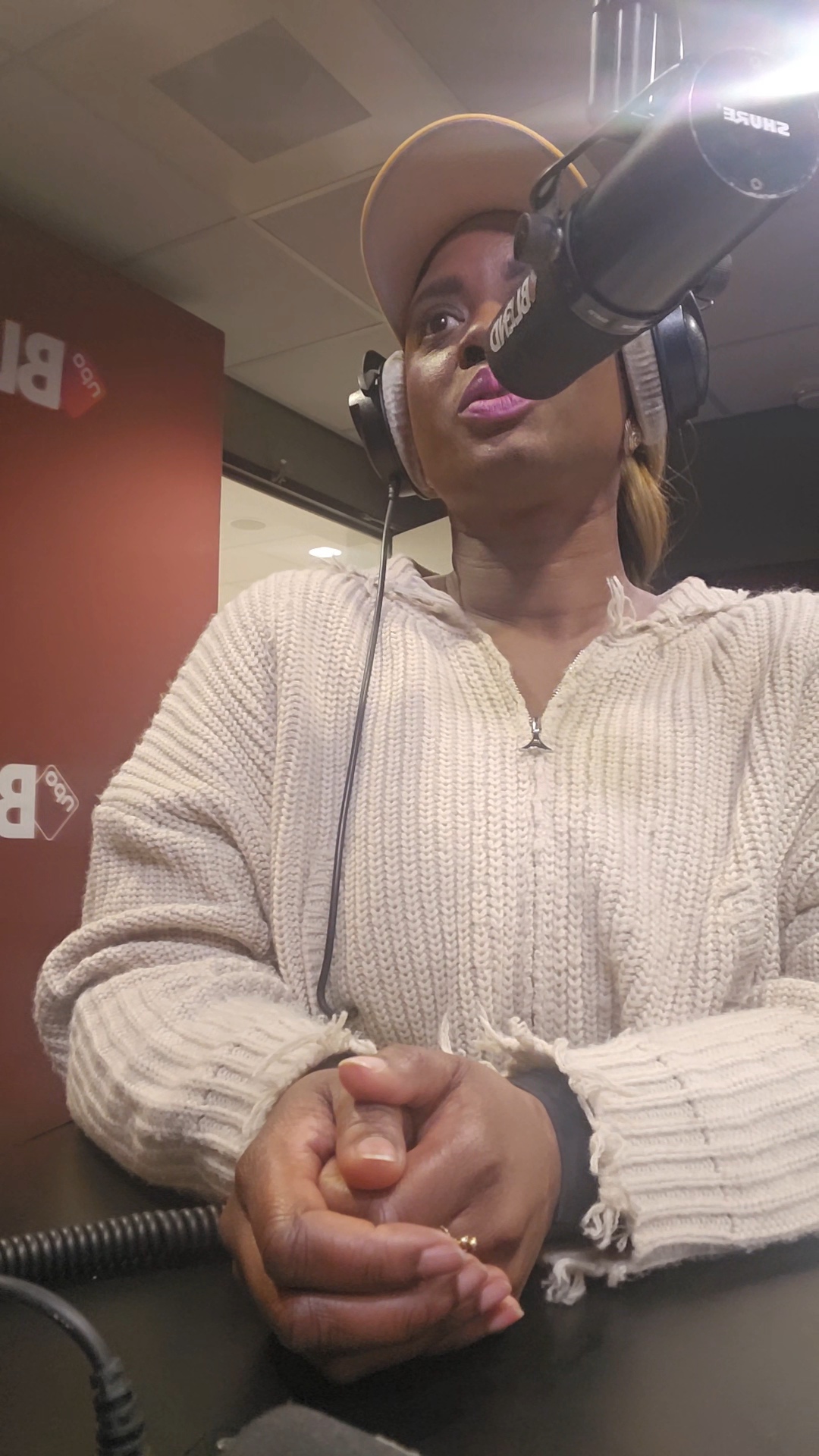
Iedere vrijdag sluit Shay Kreuger de week af met De wat een week show op NPO Blend. Samen met haar luisteraars en met twee studiogasten bespreekt ze de hoogte en dieptepunten van die afgelopen week. De onderwerpen komen uit de kranten, van social media, en soms hoorde Shay het gewoon van vrienden; als het haar en haar gasten boeit hoor je het op de vrijdagmiddag van 16:00 tot 18:00 uur op NPO Blend.
Klik hier om de uitzending met Kim en Sarah Jane te beluisteren.

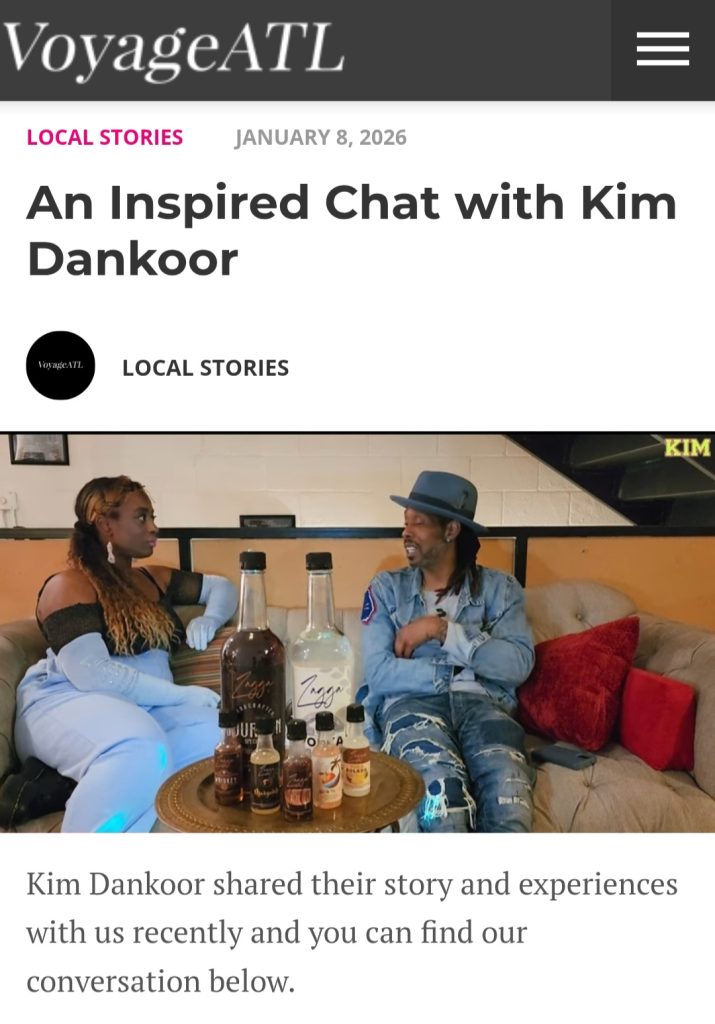
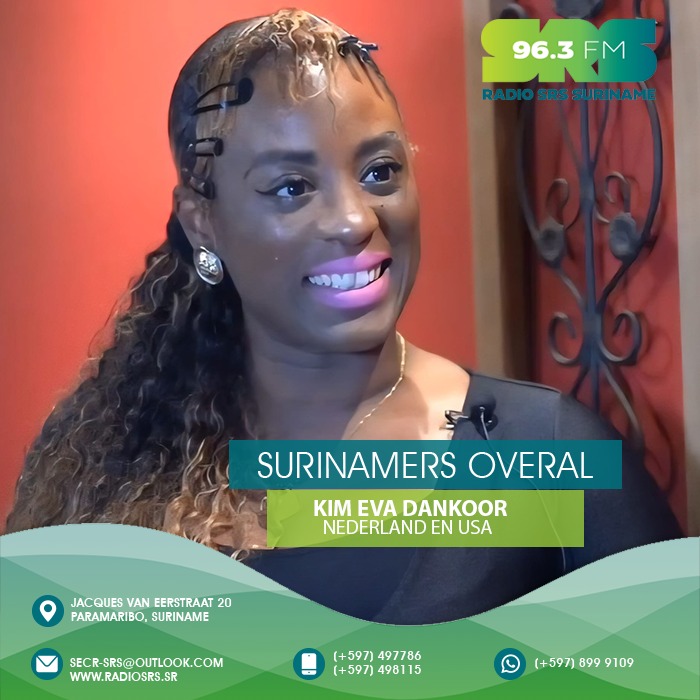
Kim Dankoor shared their story and experiences with us recently and you can find our conversation below.
Hi Kim, thank you so much for taking time out of your busy day to share your story, experiences and insights with our readers. Let’s jump right in with an interesting one: What’s more important to you—intelligence, energy, or integrity?
Integrity, definitely integrity. Although for me, integrity is also closely connected to energy. You can’t fake energy, and I feel that people with integrity carry a certain energy around them. But okay, I’ll still choose integrity ;). It’s a personal trait I try to embody myself. Being consistent and doing the right thing out of principle—that’s what integrity means to me. Keeping it real is another way to put it. That’s why I (playfully) call myself the realest (reporter) on IG!
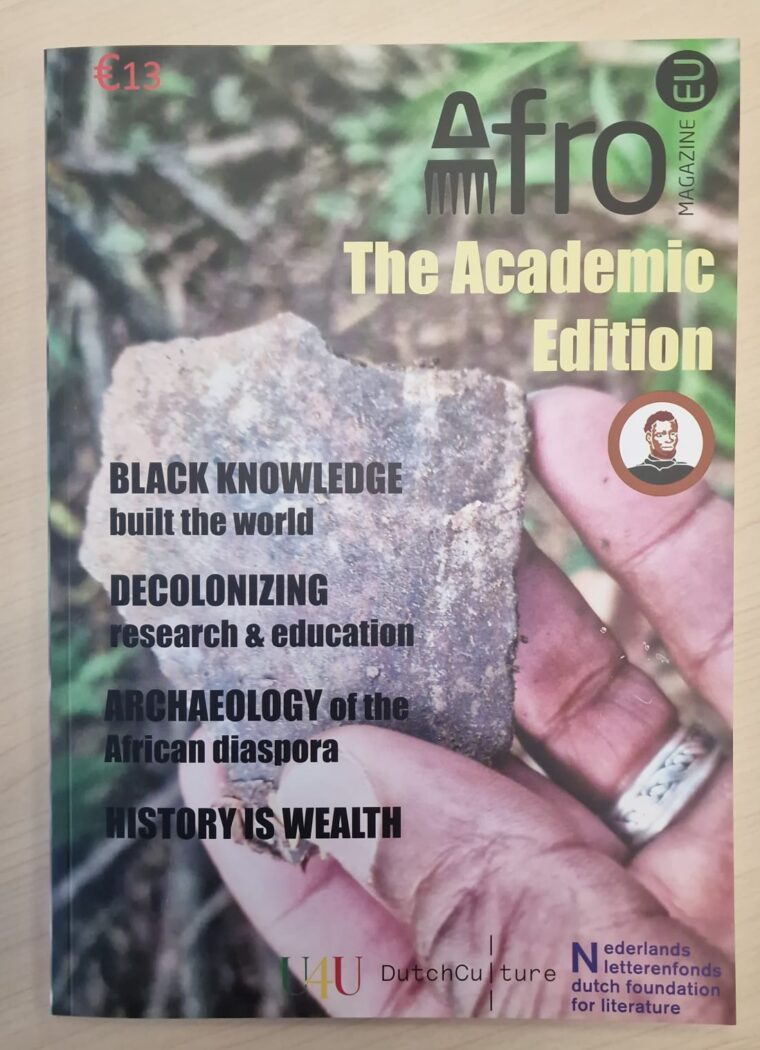

You can read the whole interview here.

Click here for more info!

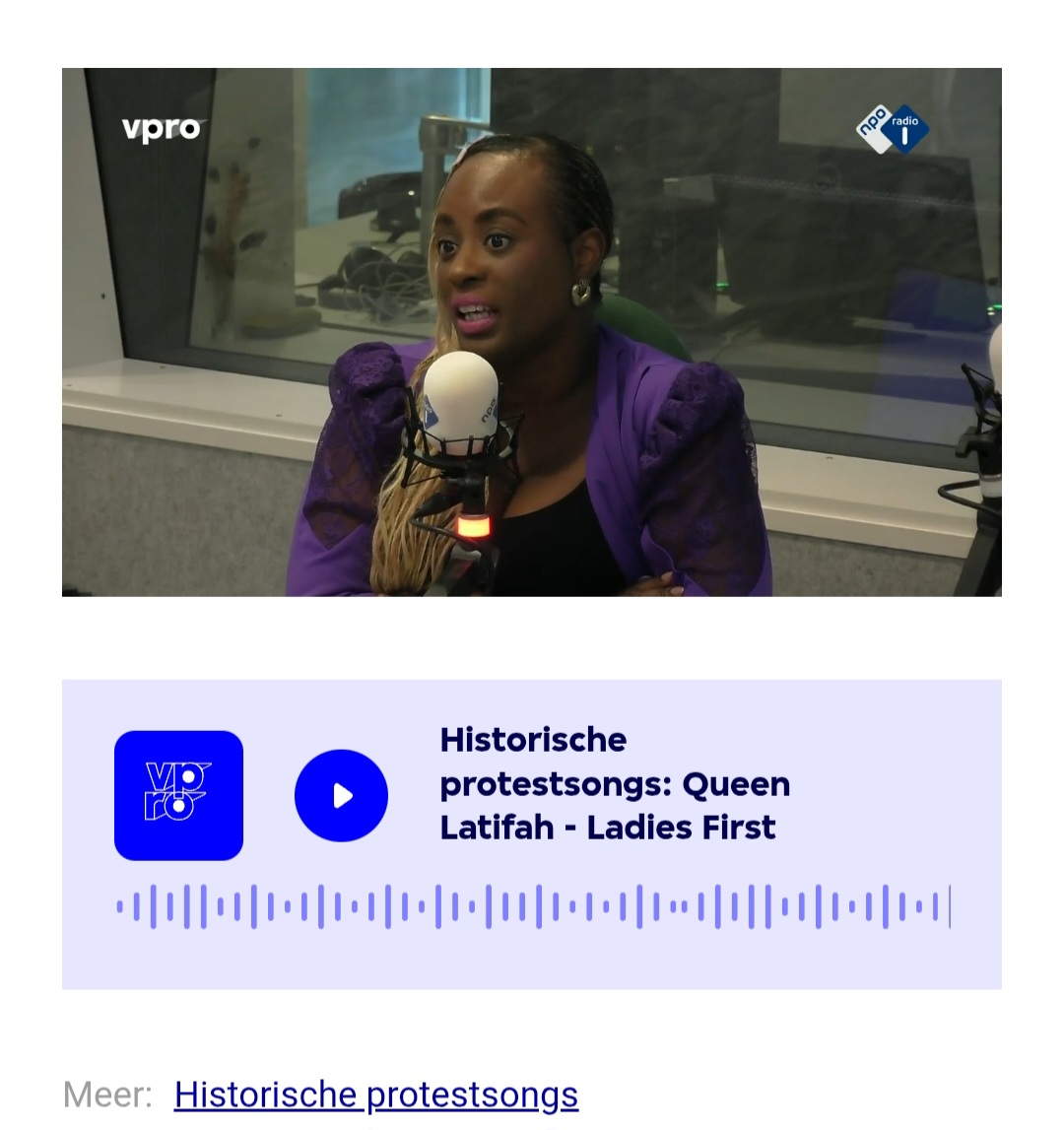
Deze zomer duiken we in een wereld van muziek die meer deed dan alleen vermaken. In onze nieuwe rubriek Historische protestsongs hoor je de verhalen achter de liedjes die wereldwijd aanzette tot denken, actie of verzet. Van chansons tot hiphop, van Vietnam tot Chili; elke week staat een protestsong centraal die de tijdgeest ving en beïnvloedde. We namen de beste tips van jullie – trouwe OVT-luisteraars- mee. Welke artiesten staken hun nek uit? Wat wilden ze zeggen? En waarom raakt hun muziek ons nog steeds? Deze week het nummer Ladies First van Queen Latifah met Kim Dankoor, onderzoeker naar hiphopfeminisme.
Klik hier om het interview te beluisteren.

Luist naar de uitzending via onderstaande Youtube link!
https://youtu.be/NEPy0MHBtRA?si=9v7PKwnrKJzHcFk7
De podcast is overigens ook te beluisteren op Spotify!
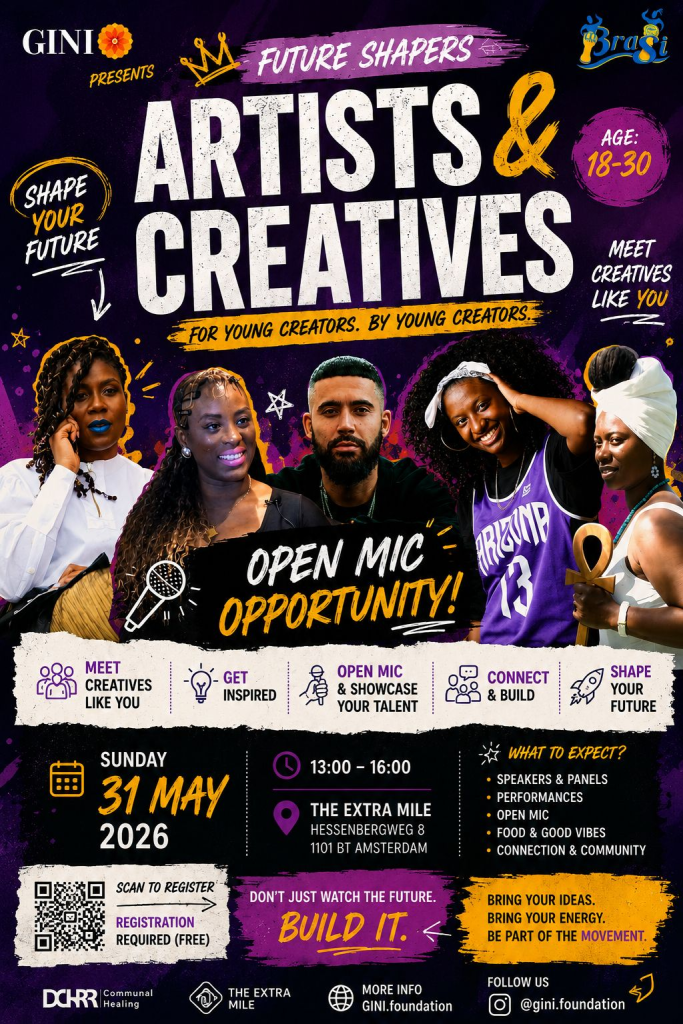
Op donderdag 8 mei is de tweede editie van het Hiphopcafé terug in De Basis! Deze editie staat in het teken van jou als (live) artiest, DJ en/of producer. We bespreken hoe je als artiest jouw movement kunt bouwen. Of je nu Hiphop, R&B, Afro of een ander genre maakt, dit is dé plek om te leren hoe jij jouw achterban sterker maakt.

The annual national conference is the Popular Culture Association / American Culture Association’s signature event. Each year, thousands of scholars from many academic disciplines across the globe travel to meet in a major American city to share and discuss their research at the conference in several venues: panel presentations, round tables, special sessions, film screenings, local tours, keynote speaker events, special awards ceremonies, and more. This year’s conference was held at the Marriott Canal Street hotel in New Orleans, from 16 – 19 April 2025. Kim presented the third chapter of her PhD: The importance of the “thick hourglass body ideal” in U.S. commercial women rap for young Dutch Black and White women’s body image. Her session/ talk was part of the Gender and Media Studies research area.
Click here to read her published article.


“Hiphopfeminisme! Nog een prachtige ochtend met hiphop als basis op de Reinwardt Academie. Vandaag doken we met de geweldige Kim Dankoor en evenzo fantastische Rashida Tauwnaar in het fijne House of Hip Hop Utrecht in het concept van hiphopfeminisme en werken met communities. Met muziek van vrouwelijke rapartiesten als basis, verkende en herkende we hiphopfeminisme door de jaren heen.
Onderwijs was een feest deze ochtend, hiphop was een feest deze ochtend met Kim, Rashida en de muziek van Queen Latifah, Roxanne Shanté, Salt ‘n Peppa, Cardi B., Lauryn Hill, Missy Elliot, Big Freedia, Janelle Monáe en Latto.
Wederom ook een shout out naar onze geweldige studenten die al zoveel kennis hebben, geïnteresseerd en open zijn en goede kritische vragen stellen.” (Marlous van Gastel, docent/lecturer Reinwardt academie)

Playlist:
Kim was one of the media professionals/researchers who participated in the Meet & Greet session for students of the course Making Media. This course uncovers what it means and what it takes to make media, focusing on the lived experience of media work. Making Media consists of interactive lectures and weekly ‘meet and greet’ sessions with prominent media professionals.
The invited media professionals are working in all major industries: television, film, journalism, social media entertainment, advertising and public relations, digital games, and music.

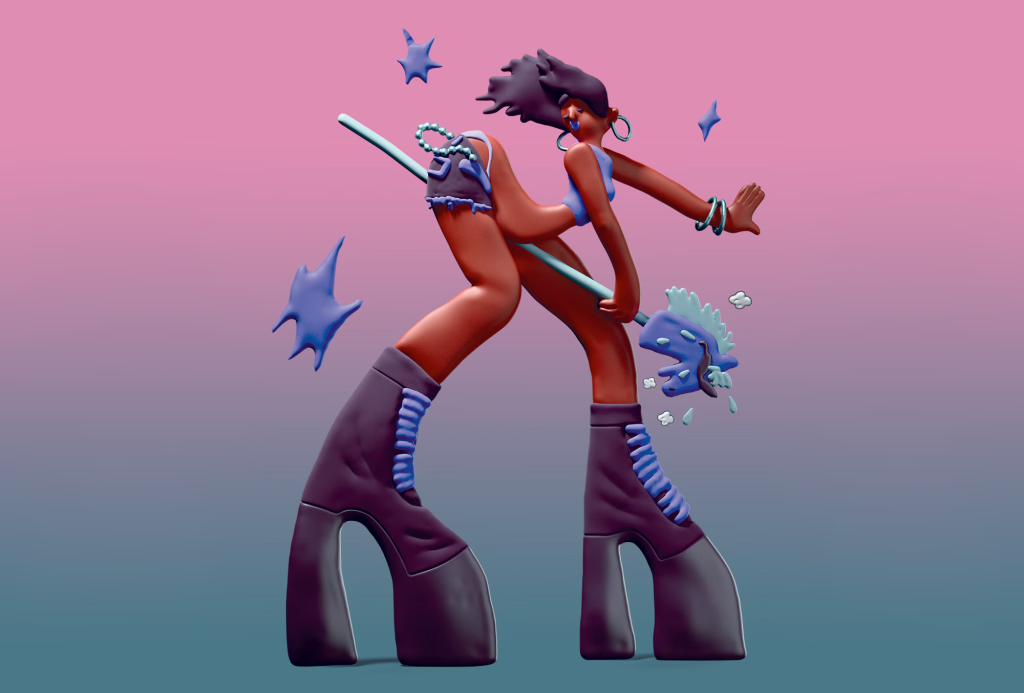
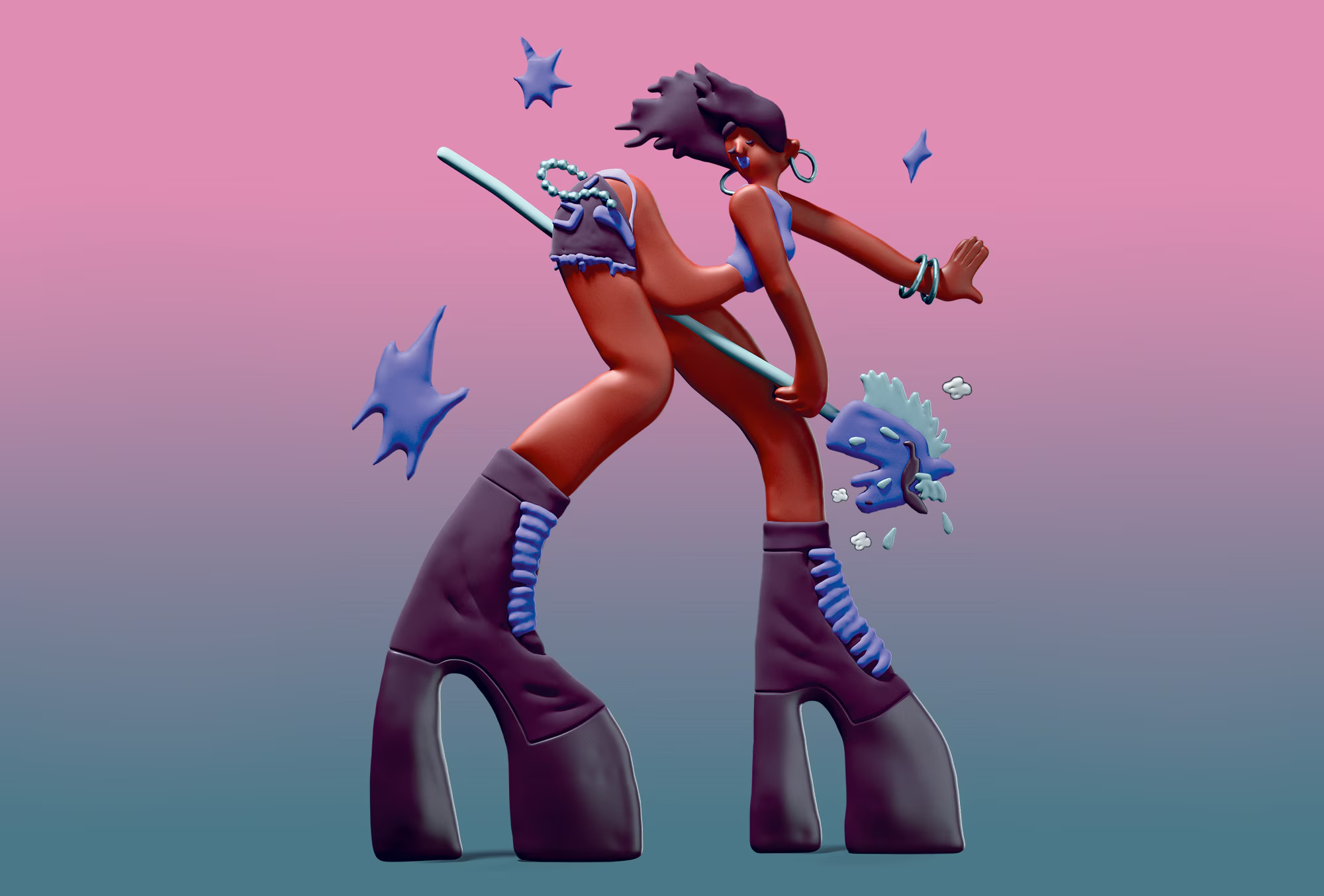
U.S. commercial women rappers often promote a “thick hourglass” body ideal in their music. This qualitative study, guided by social comparison theory and self-discrepancy theory, explores how 10 Black and 10 White Dutch women rap fans, aged 18–25, compared their actual body image with this ideal and the emotional consequences that result. A hybrid comparative thematic analysis revealed that both Black and White respondents view the thick ideal as dominant in women rap and part of Black culture. They consider it a standard of beauty and sexiness, when achieved naturally and not through plastic surgery. Comparing their actual body image to this ideal can evoke positive outcomes, such as body satisfaction and the motivation to work toward this ideal through exercise or by choosing clothing that better expresses it. However, it can also lead to negative body images and emotions, such as insecurity, especially when this ideal is perceived as difficult or impossible to attain, or when peers or family expect conformity to this ideal. For Black women, comparison to the thick ideal may result in more positive outcomes, and this ideal is more frequently endorsed by their social context compared with White women. These findings indicate that for rap fans, the Afrocentric thick ideal is more relevant than a Eurocentric thin ideal, highlighting the importance of developing healthy body interventions targeting gender and cultural and contextual beliefs. Further, this knowledge can increase practitioners’ ability to integrate an influential media genre when working with young adults across different cultures. (PsycInfo Database Record (c) 2025 APA, all rights reserved).
Click here to read the article.

Klik hier om het interview te beluisteren.

Recent KIM comments